
Hoarding disorder
Compulsive collecting and an inability to throw things away that makes living spaces unusable – medically known as «hoarding disorder».
What does “Hoarding disorder” mean?
Hoarding disorder – known in German-speaking countries as «Messie-Syndrom» – describes compulsive collecting: those affected cannot part with things until the apartment is so full that rooms can no longer be used normally. It is listed as a separate diagnosis (6B24) in the WHO’s ICD-11.
Signs of hoarding disorder
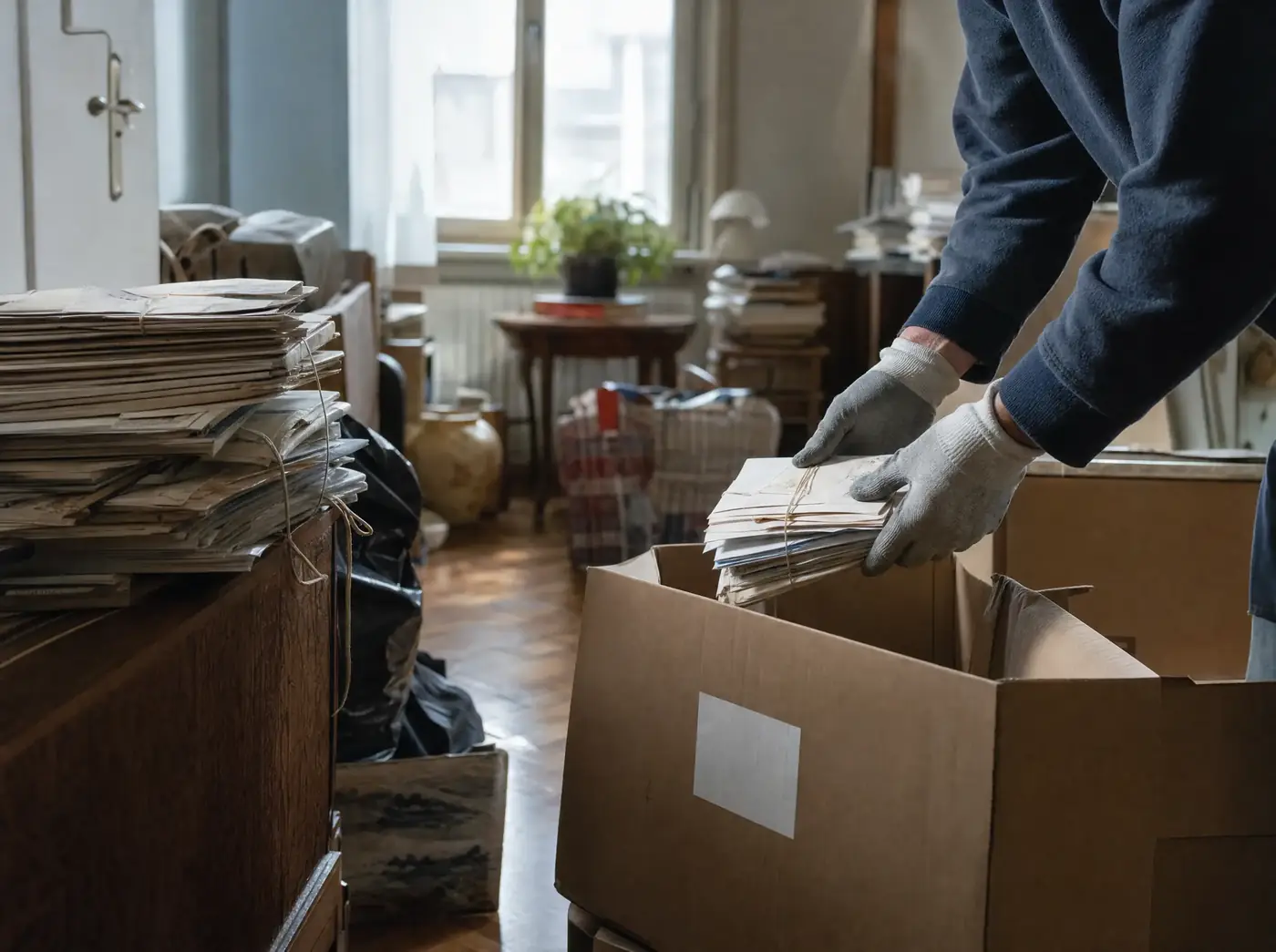
Typical signs include:
- Rooms, hallways or beds are so cluttered that they can no longer be used.
- Large quantities of newspapers, packaging, bags or clothes.
- Severe distress at the thought of throwing something away.
- Withdrawal: visitors are no longer allowed into the apartment.
- In advanced cases, dirt, odours or pests.
Causes and help
The causes are complex; experiences of loss, depression, anxiety or obsessive-compulsive disorders often play a part. Studies estimate that a few per cent of the population are affected. A clearance alone does not solve the problem – without support, the apartment often fills up again. GPs, psychotherapy and counselling services are the right places to turn to for addressing the cause.
Relatives help most when they talk about what they see without reproach and offer support instead of secretly clearing things out.
Clearing a hoarder’s apartment – discreetly and respectfully
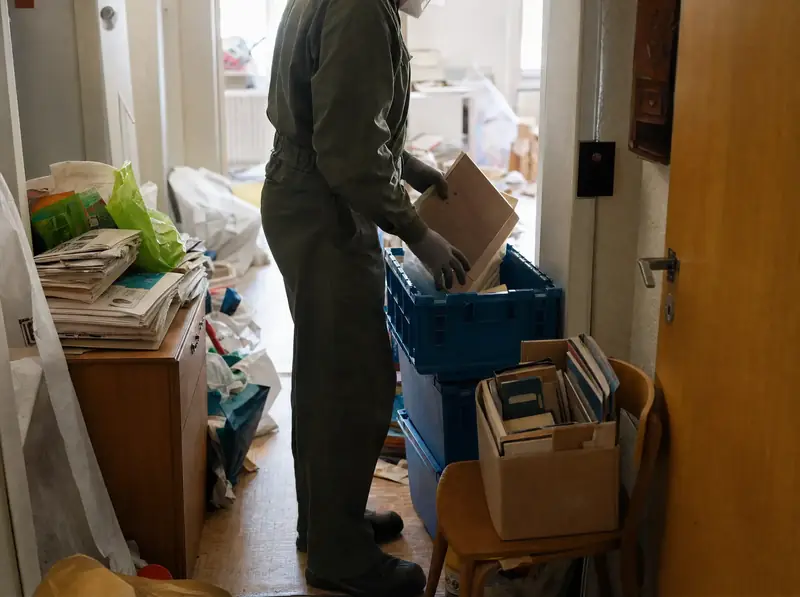
Discretion and respect are what matter in a clearance: unmarked vehicles, no fuss in the building, no photos. Personal documents, photos and valuables are kept safe separately during sorting. Depending on the condition, REWAR works with protective equipment, disposes of everything by material and finishes with deep cleaning and end-of-tenancy cleaning.
How REWAR can help
Hoarder apartment clearance
Severely cluttered or soiled apartments – discreetly cleared, sorted and thoroughly cleaned.
Learn more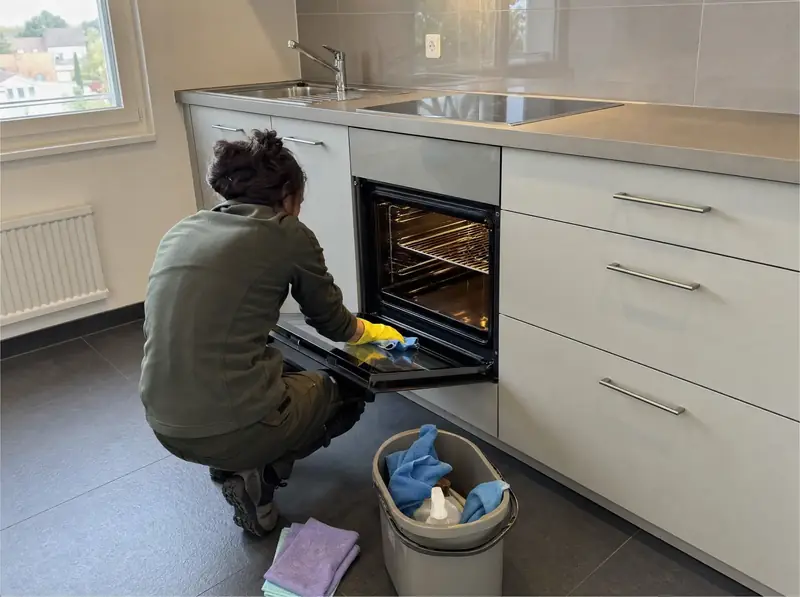
End-of-tenancy cleaning
Thoroughly cleaned after the clearance – with a handover guarantee towards the property management or landlord.
Learn more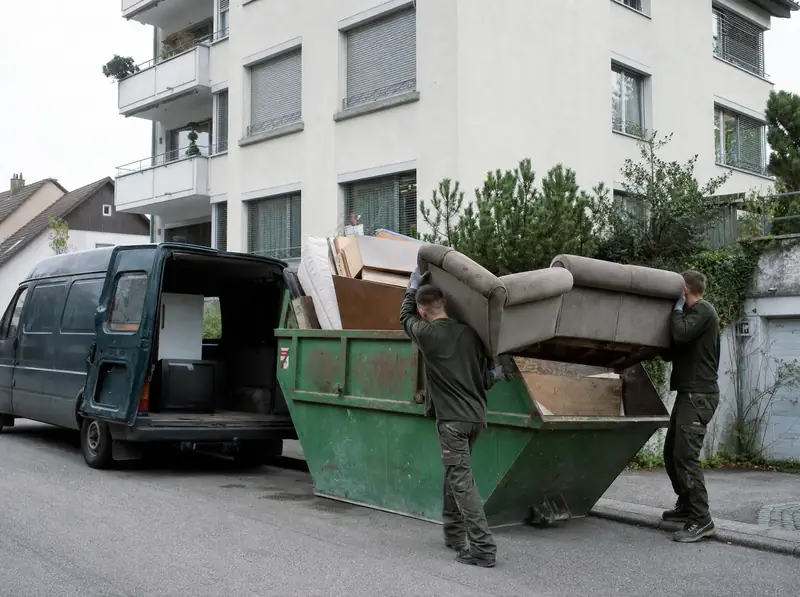
Disposal & collection
Furniture, bulky waste and electrical appliances collected and disposed of in an eco-friendly way – even single items.
Learn moreFrequently asked questions: Hoarding disorder
Short, clear answers. Question not listed? Call us: 076 463 42 63.
Is hoarding disorder an illness?
Yes. Hoarding disorder is listed as a separate mental disorder in the WHO’s ICD-11 (6B24). Those affected need understanding and professional support, not reproach.
Is a hoarder clearance carried out discreetly?
Yes. REWAR works with unmarked vehicles, takes no photos and does not talk about the job in the building.
What happens to personal documents?
Documents, photos and valuables are kept safe separately during sorting and handed over – none of them are thrown away without being checked.
Related terms
Ready to make space?
The assessment and quote are free and without obligation. You get a fixed price – with no hidden extra costs.